Ground Box: What a HiFi Grounding Box Actually Does
What Is a Ground Box?
A ground box — also called an audio grounding box — is a passive accessory for HiFi and high-end audio systems. Its job is to give your system an extra, exceptionally "quiet" reference point for stray interference. In plain terms: a ground box offers high-frequency noise an easy path out of the signal chain, instead of routing it through the often overloaded safety earth of your household wiring.
If you're hearing the term "ground box" for the first time, it's easy to confuse it with the safety earth from your wall socket. It isn't that. A well-designed grounding box doesn't touch electrical safety and doesn't replace correct installation. It works alongside your system and tackles a different problem: the noise floor that masks the fine detail in your music.
Why Ground at All? The Problem With "Dirty" Ground
Every component in your chain — streamer, DAC, preamp, power amp, turntable — is constantly exposed to high-frequency interference: electromagnetic interference (EMI), radio frequencies (RF) and residue riding in on the mains. This interference accumulates on the ground lines and chassis of your gear.
Your home's safety earth is designed for electrical safety, not for draining away the finest high-frequency noise. It's often "contaminated" because many devices — fridge, switching power supplies, chargers, dimmers — dump their dirt onto the same grounding point. The result is a slightly raised noise floor that hides micro-detail, spatial cues and the silence between notes.
A ground box addresses exactly this. It provides its own clean reference point that is not tied to that contaminated mains earth.
How Does a Ground Box Work?
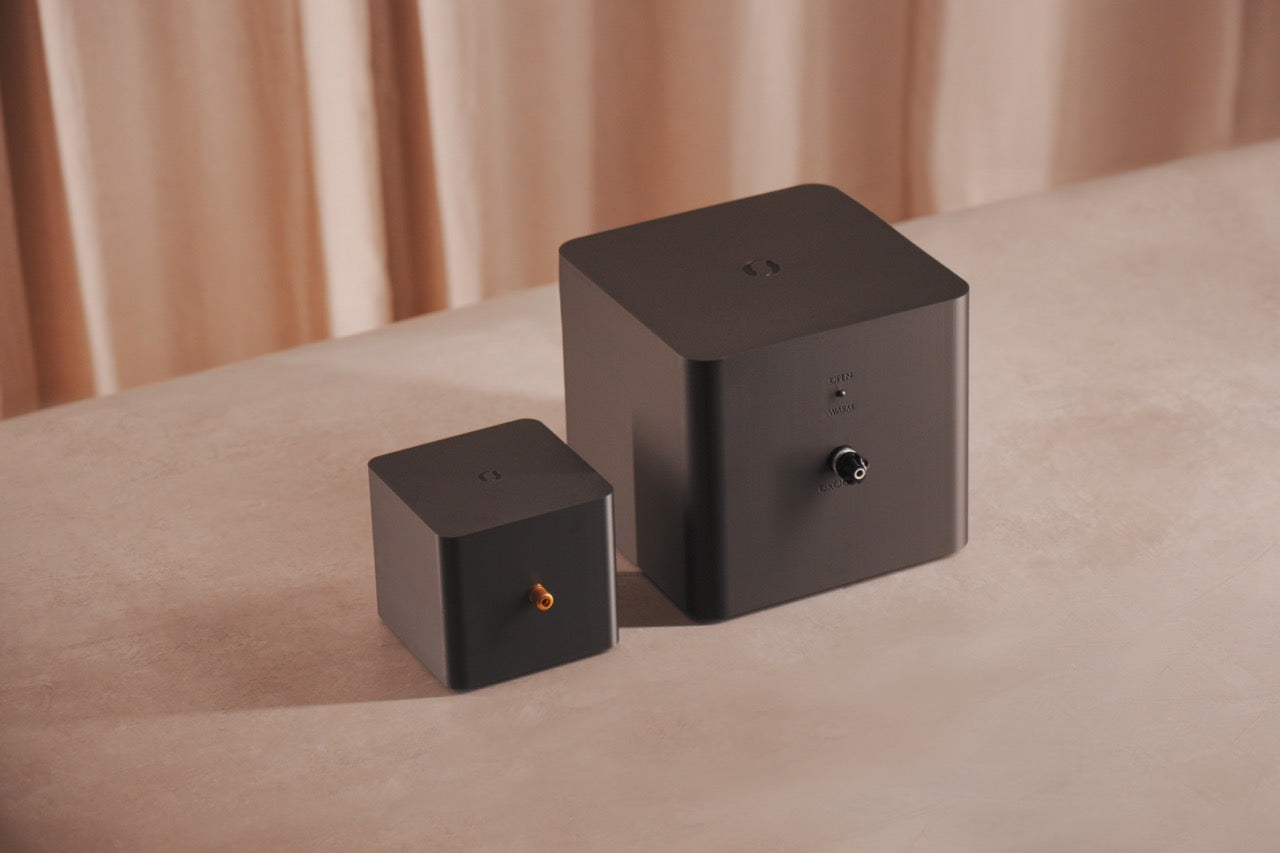
Inside a grounding box you'll typically find a blend of minerals, metals or specialised materials, with one or more conductors running through them. Those conductors terminate at a binding post on the outside of the enclosure. Using a ground cable, you connect selected ground points of your equipment to the box.
The core idea: the material fill acts as a concentrated, "hungry" sink that absorbs and dissipates high-frequency interference — much like a grounding rod in the soil, only in compact form and without any link to the loaded mains earth.

What Sonic Benefits Does a Ground Box Bring?
Listeners who add a grounding box to a resolving, high-quality system typically describe effects like these:
- Blacker background: the silence between notes gets quieter, so micro-detail and decays stand out more clearly.
- More natural coherence: timing and tone lock together, and the music "clicks" into place more easily.
- Sharper imaging: the soundstage and depth layering become clearer, making individual voices and instruments easier to place.
- Less listening fatigue: the sound feels less "hard" and more dense, even across long sessions.
Setting Up a Ground Box: Practical Tips
- Identify ground points: good candidates are unused RCA/XLR sockets, the ground terminal of a turntable or phono stage, or dedicated ground connectors on the device.
- One component at a time: connect a single component to the ground box first and listen carefully. This shows where the effect is biggest — usually at the most sensitive point in the chain (source, DAC or phono).
- Cable quality matters: the ground cable is part of the system. Quality conductors and connectors make an audible difference.
- Allow break-in time: many users report that the full effect only settles in after some hours of use. Don't judge it in the first minute.
- Don't overdo it: more connections aren't automatically better. Test which combination genuinely benefits your system.
Who Is a Grounding Box For?
A ground box is especially worth considering if you:
- live in an electrically "noisy" environment (lots of switching power supplies, LED lighting, neighbours with many devices),
- own a high-resolution chain that can actually reveal subtle differences,
- have already worked on placement, mains and room acoustics and want the final polish,
- listen to vinyl — phono stages tend to be particularly sensitive to ground quality.
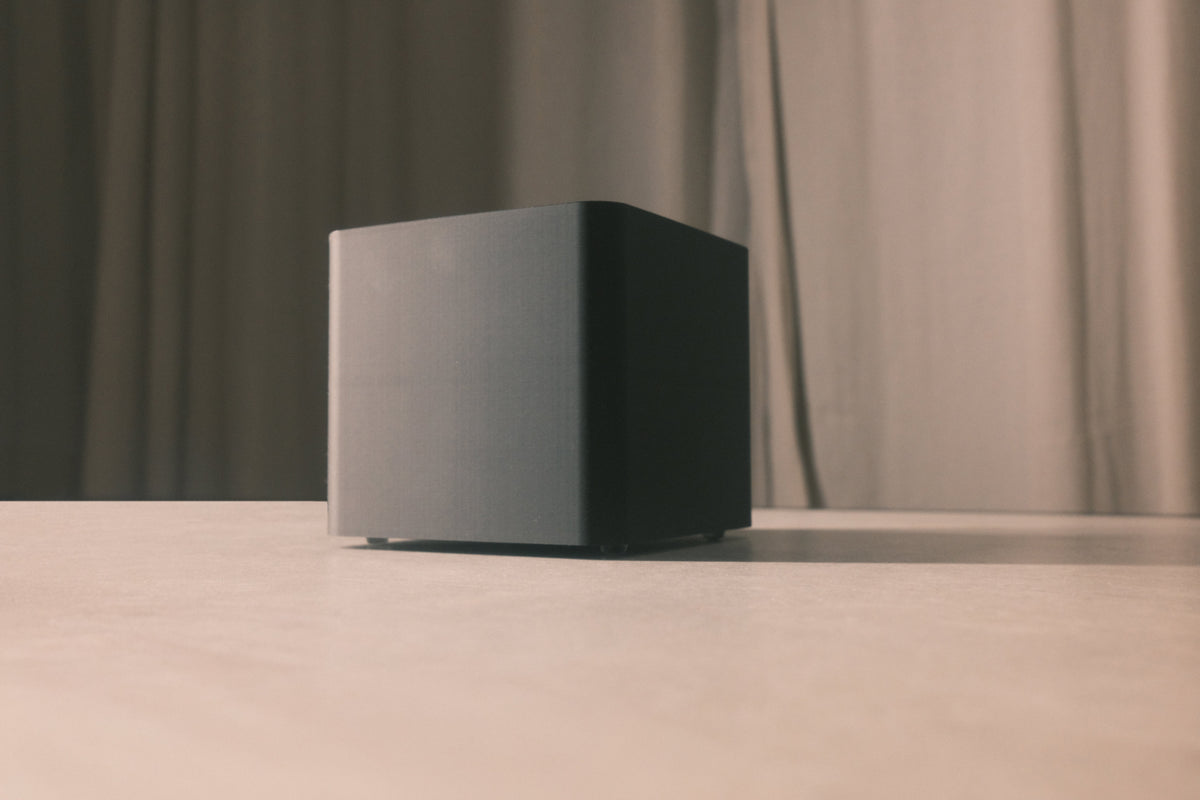
The Stein Music Ground Box: Ground Cube
Stein Music designs and hand-builds its high-end accessories in Germany — including the Ground Cube line, its take on the ground box. The approach: the Ground Cube gives your audio system its own quiet reference potential without being coupled to the often "contaminated" mains earth. Interference flows directly into the Ground Cube rather than through hum loops and installation-related detours.


It ships with an in-house SteinMusic ground cable (approx. 1.2 m) featuring 61 individually insulated strands, a cotton braid and gold-plated beryllium-copper hollow banana plugs — hand-terminated. The line comes in several tiers (including the Ground Cube Signature and Ground Cube Silver Signature), so you can match it to the level of your chain.
The advantage of a well-engineered, ready-made ground box over a DIY build: matched materials, quality connectors and a ground cable that won't become the bottleneck.
👉 Explore the Ground Cube line and matching accessories at the Stein Music Store.
Ground Box FAQ
Is a ground box the same as safety earth? No. Safety earth exists for electrical safety. A ground box provides an additional, clean reference point for high-frequency interference and is deliberately not tied to the loaded mains earth.
Does a ground box remove hum? No. Audible mains hum and ground loops are wiring/grounding issues that must be solved properly. A ground box lowers the high-frequency noise floor, not the 50/60 Hz hum.
Is the effect measurable or just imagination? It's debated. Many listeners consistently report a quieter background and more fine detail. The effect is system- and environment-dependent, so an in-home trial is worthwhile.
Which device should I connect the ground box to? The most sensitive sources usually benefit most: turntable/phono stage, DAC or streamer. Test one component at a time.
Can I build a ground box myself? In principle yes, using minerals and binding posts. In practice, material matching and — above all — cable and connector quality decide the outcome, which is where well-engineered ready-made products have the edge.
Conclusion
A ground box is an effective fine-tuning tool for high-quality HiFi systems. It lowers the high-frequency noise floor by giving interference a clean path out of the signal chain, independent of the loaded mains earth. The payoff: a quieter background, more micro-detail and a more natural presentation. If you've already covered the fundamentals and are chasing that last step toward calm and resolution, a well-made grounding box like the Stein Music Ground Cube is a rewarding upgrade.